RF Venue Presenting Live Online Session This Month: Why Circular Polarization Matters For IEMs

On this page
A Free Session on Antennas for In-Ear Monitors
RF Venue has announced a free online webinar on Thursday, November 19, starting at 12:30 pm U.S. Eastern time. The topic is how circular polarization antennas can benefit wireless in-ear monitor systems. If you run IEMs for your band, your church team, or a few local acts, this one is worth putting on the calendar.
The session is the last of a three-part series on the fundamentals of in-ear monitoring. This installment focuses on the drawbacks of traditional paddle antennas in the kinds of performance situations most of us deal with. It’s a narrow topic, but antennas are one of the cheaper and more overlooked places to look when a monitor mix keeps misbehaving.
First, a Little Vocabulary
A few terms come up in the announcement, so here’s a quick refresher.
IEMs (in-ear monitors) are earpieces that deliver a performer’s personal monitor mix, usually wirelessly, in place of floor wedges. The bodypack is the small receiver the performer wears, typically clipped to a belt or tucked in a pocket, which picks up the signal from the transmitter and feeds the earpieces. A paddle antenna is the flat, directional-style antenna many people associate with wireless setups. Polarization describes the orientation of the radio wave as it travels from the transmitting antenna. A circularly polarized antenna sends out a wave that rotates as it travels, rather than staying in a single orientation.
I’m keeping these definitions general on purpose. RF Venue’s announcement doesn’t go into technical detail, and the webinar is where the specifics will come out.
 Photo by Danik Prihodko / Pexels
What the Webinar Plans to Cover
The announcement lists three topics:
- Why a performer’s movement can weaken the signal that reaches the bodypack.
- How traditional paddle antennas compare with circularly polarized antennas for wireless IEMs.
- What to look for when choosing an antenna that gives more consistent coverage across a stage.
That list matches a problem most people who have used wireless monitors will recognize. A singer walks across the stage, turns around, crouches at the edge of the riser, or drops into the crowd, and the bodypack’s position relative to the transmitting antenna changes with every move. The first topic suggests the session will explain why that movement can cause the signal at the bodypack to drop, and the other two point toward what you can do about it.
I can’t tell you what the presenters will conclude, so I won’t pretend to. The framing, though, is clear: the session sets up the limits of paddle antennas in typical performance settings and then looks at circular polarization as an alternative. Go in with that comparison in mind and you’ll be ready to weigh the arguments yourself.
How to Get More Out of It
A little prep makes a one-off webinar far more useful. Here’s what I’d do before the 19th.
Write down your current setup. Note what kind of antenna you’re using, where it sits relative to the stage, and how your performers move. Even a few lines will help you map what you hear in the session onto your own rig.
List your trouble spots. If a particular corner of the stage, a certain performer, or a specific moment in the set tends to produce dropouts or a noisy signal, make a note. Those details turn a vague question into a good one.
Think about what “consistent coverage” means for you. The announcement mentions choosing an antenna for more consistent stage coverage. A solo acoustic act that stays on a stool has different needs than a front person who roams. Decide what you’d count as a win before you start shopping.
Take notes on selection criteria. The third topic is about what to look for when choosing an antenna. That’s the most actionable part for anyone considering a purchase, so capture those points as they come up.
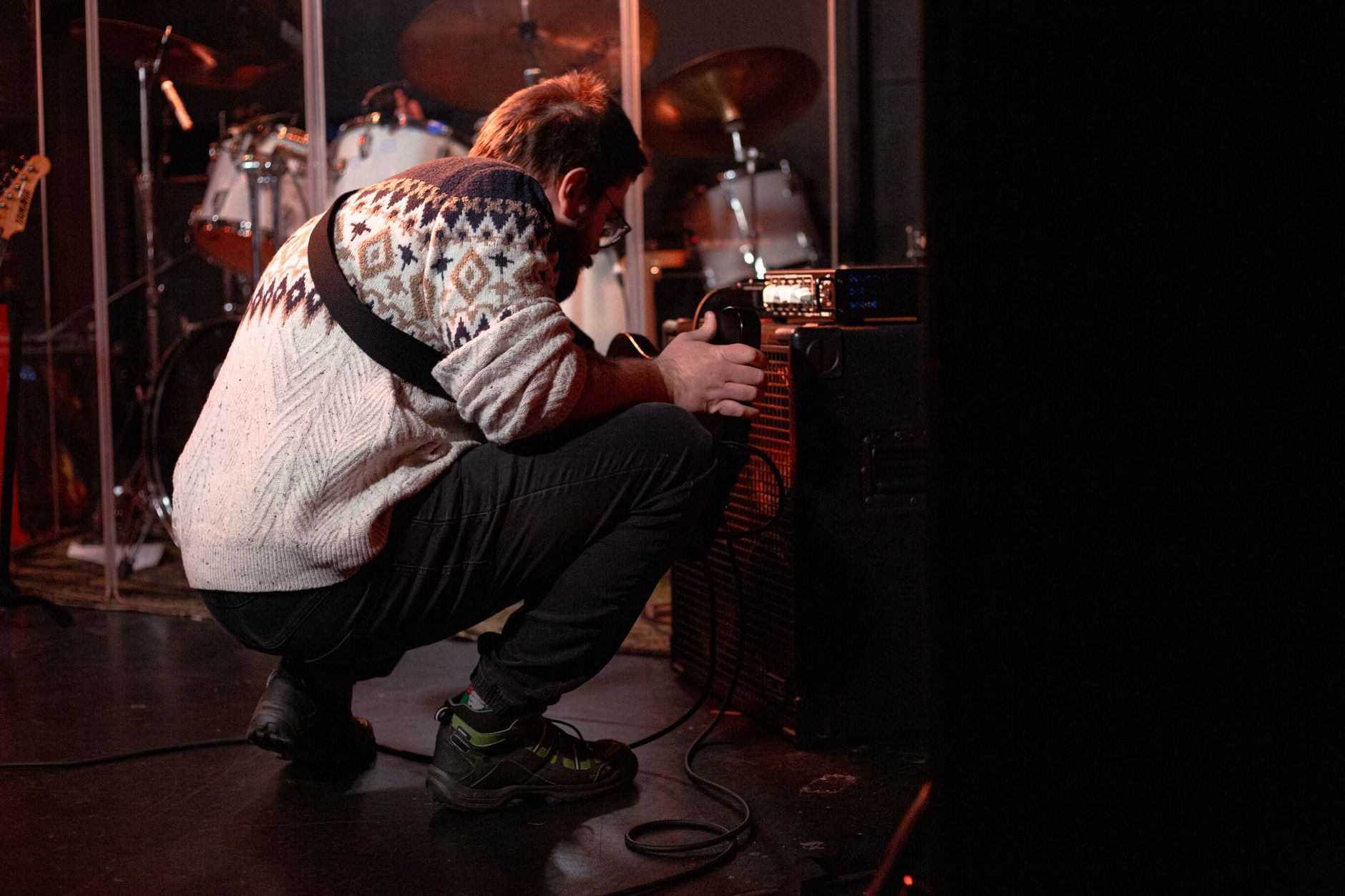 Photo by Adrienn Pamuk / Pexels
Questions, Registration, and the Recording
The live discussion will be followed by a Q&A segment. When you register, you can also submit questions ahead of time. That isn’t required, but RF Venue encourages it. If you’ve done the homework above, this is where it pays off. Send in your most specific question rather than a broad one like “Which antenna is best?” Something that describes your stage situation and the problem you’re seeing is more likely to produce a useful answer for you and for others listening in.
If you can’t make it live, a recording will be archived on the RF Venue Webinar page. That’s handy for anyone whose rehearsal or service schedule collides with a weekday lunchtime slot on the East Coast. Keep in mind that you can’t ask questions in a recording, so if you want your own situation addressed, registering and pre-submitting is still worth doing even if you plan to watch later.
Catching Up on the Earlier Sessions
Because this is the third and final part of a series on in-ear monitoring fundamentals, it may build on ideas from the earlier sessions. The announcement doesn’t say whether you need to have seen them, and it doesn’t say whether those recordings are available. If you’re newer to IEMs, check the RF Venue Webinar page for the rest of the series before the 19th. If they aren’t there, the vocabulary section above should be enough to follow along.
The Takeaway
Antenna choice is easy to put off until something goes wrong, and by then you’re troubleshooting in the middle of a soundcheck. A free session that compares paddle antennas with circularly polarized ones, and explains why movement hurts the signal at the bodypack, is a low-cost way to understand the problem before it bites. Register, send in a specific question, and mark the date: Thursday, November 19, 12:30 pm Eastern. If the time doesn’t work, plan to watch the archived recording.
Sources
RF Venue Presenting Live Online Session This Month: Why Circular Polarization Matters For IEMs, www.prosoundweb.com