TiMax Shapes Sound Design For “Grease” At Thunerseespiele In Switzerland
On this page
Editor’s note: The source text supplied was cut off mid-sentence, so only a few concrete facts about this production were available. I’ve stuck to those facts. The rest of the article is general background and practical framing for amateur players and sound people, and it makes no claims about the show’s specific equipment or settings. If you can send the full original, I can add the missing production detail.
How Grease Kept Voices Where the Actors Are: Localized Sound at Thunerseespiele
What the production did
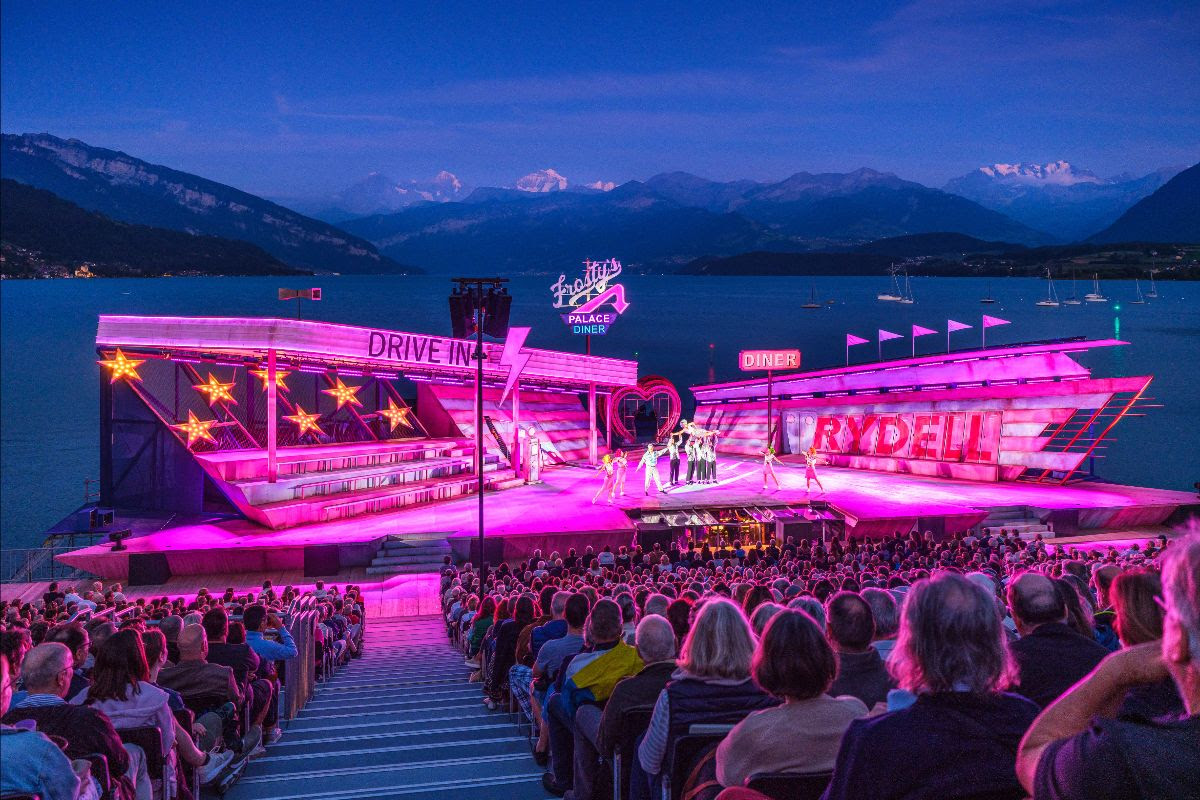
The 2026 staging of Grease at Thunerseespiele, a lakeside festival in Switzerland, played to a 3,000-seat outdoor venue. To get sound to the audience, the team used a distributed sound system together with performer tracking. The aim was localized audio, meaning the sound of a voice appears to come from the performer who is speaking or singing, not just from a speaker stack somewhere else.
The production also carried on an existing approach. Tom Strebel, founder of audiopool, developed the sound design concept and brought TiMax SoundHub to the festival in 2003. For this staging, co-sound designers Youssef Iskander, managing director of audiopool, and Strebel adapted the system to what this show needed.
Most of us won’t mix a 3,000-seat outdoor musical, but the thinking behind this setup applies at any size. Below is what each piece means and what you can borrow.
 Photo by Brett Sayles / Pexels
Distributed sound, in plain terms
A distributed system spreads loudspeakers around a space instead of concentrating them in one or two clusters at the front. Think of it as many smaller sources sharing the work, each covering a portion of the audience or a portion of the stage.
The benefit is mostly about how the audience hears the show. When all the sound comes from one point, listeners far from that point may hear a voice arriving from a direction that doesn’t match what they see. Spreading the sources lets you shape where the sound seems to originate.
If you run a smaller room, such as a school auditorium, a church hall, or a community theatre, the same principle holds. Ask where people are sitting and whether the sound they hear matches where they’re looking. If a lead vocal seems to float over the audience’s heads instead of landing on the singer, that mismatch is worth fixing.
Performer tracking and why it matters
Tracking means the system knows, in some form, where a performer is on stage. Instead of treating every microphone feed as a fixed signal sent to fixed outputs, a tracked system can adjust how that signal is sent to the loudspeakers as the performer moves.
The practical goal is simple: when an actor crosses the stage, the voice should travel with them. On a large outdoor stage, a character who walks from one side to the other while singing is a good test. If the voice stays planted in one spot, the audience feels a disconnect.
For amateurs, the lesson is about intent, not gear. Before tech week, mark the key moments where performers travel and ask whether the audience’s ears can follow. Even without tracking technology, careful choices about speaker placement and which microphones are open at a given moment help you approach the same goal.
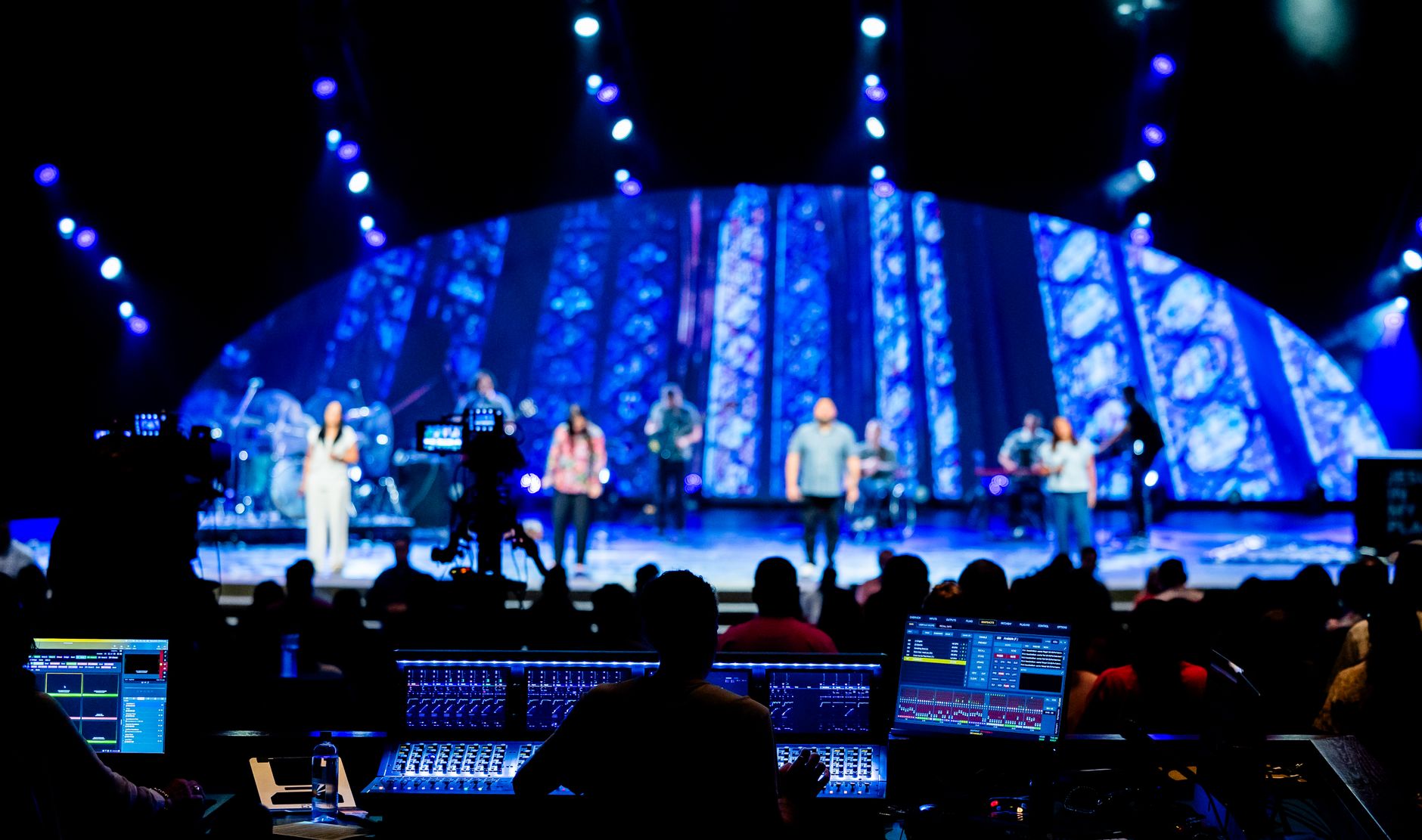 Photo by Caleb Oquendo / Pexels
Why localization changes how a show feels
It’s easy to treat sound reinforcement as a volume problem: make everything loud enough to hear. Localization treats it as a perception problem. Audiences connect more readily to a performance when voice and body appear to be in the same place.
That matters most in a book musical like Grease, where dialogue, group numbers, and solos all share the stage. The audience needs to follow who is speaking in a crowded scene, and a voice that appears to come from the right spot makes that easier.
Some questions to run through in your own rehearsals:
- Can a listener in the back row point to the person who is talking, with their eyes closed?
- Does the sound image stay believable when two performers speak from opposite sides of the stage?
- Do group numbers feel like they come from the stage, or from the speakers?
If the answer to any of these is no, localization is probably part of the fix.
Continuity and adaptation: a useful model for any team
One detail from this production is worth stealing even if you never touch the technology. The design wasn’t invented from scratch for 2026. It built on a foundation that had been in use at the festival since 2003, and the co-designers adapted it for this show’s requirements.
That’s a healthy way to work. Teams often feel they must either rebuild their sound setup every season or never touch it. The Thunerseespiele example points to a middle path: keep what works, then adjust it for the show in front of you.
Here is how that might look for a smaller group:
- Document your setup. Write down speaker positions, microphone assignments, and settings that worked. Next season’s crew will thank you.
- List what’s different about this show. A cast with more movement, a different stage layout, or a new venue each changes the requirements.
- Change only what the show demands. Adjust the parts of the system affected by the new requirements and leave the rest alone.
- Keep a shared vocabulary. Co-designers need to agree on what “localized” means for a given scene. Define terms early and write them down.
What to take away
The Thunerseespiele Grease is a large-scale example, but its core ideas scale down. Spread your sound sources thoughtfully, think about where the audience perceives each voice, and pay attention to performers’ movement. Treat your sound design as something you refine over seasons instead of discarding each year.
You don’t need a 3,000-seat venue or a specialized system to start. Walk the room during rehearsal, listen from several seats, and ask whether the voices feel attached to the people on stage. That habit alone will improve what the audience hears.
Sources
TiMax Shapes Sound Design For “Grease” At Thunerseespiele In Switzerland, www.prosoundweb.com