How to Prepare for Your Very First Band Rehearsal
First rehearsal coming up? Here's how to walk in ready, keep the session productive, and avoid the most common rookie mistakes.
A structured rehearsal saves time and builds better music. Here is how to run one from the first note to the last.
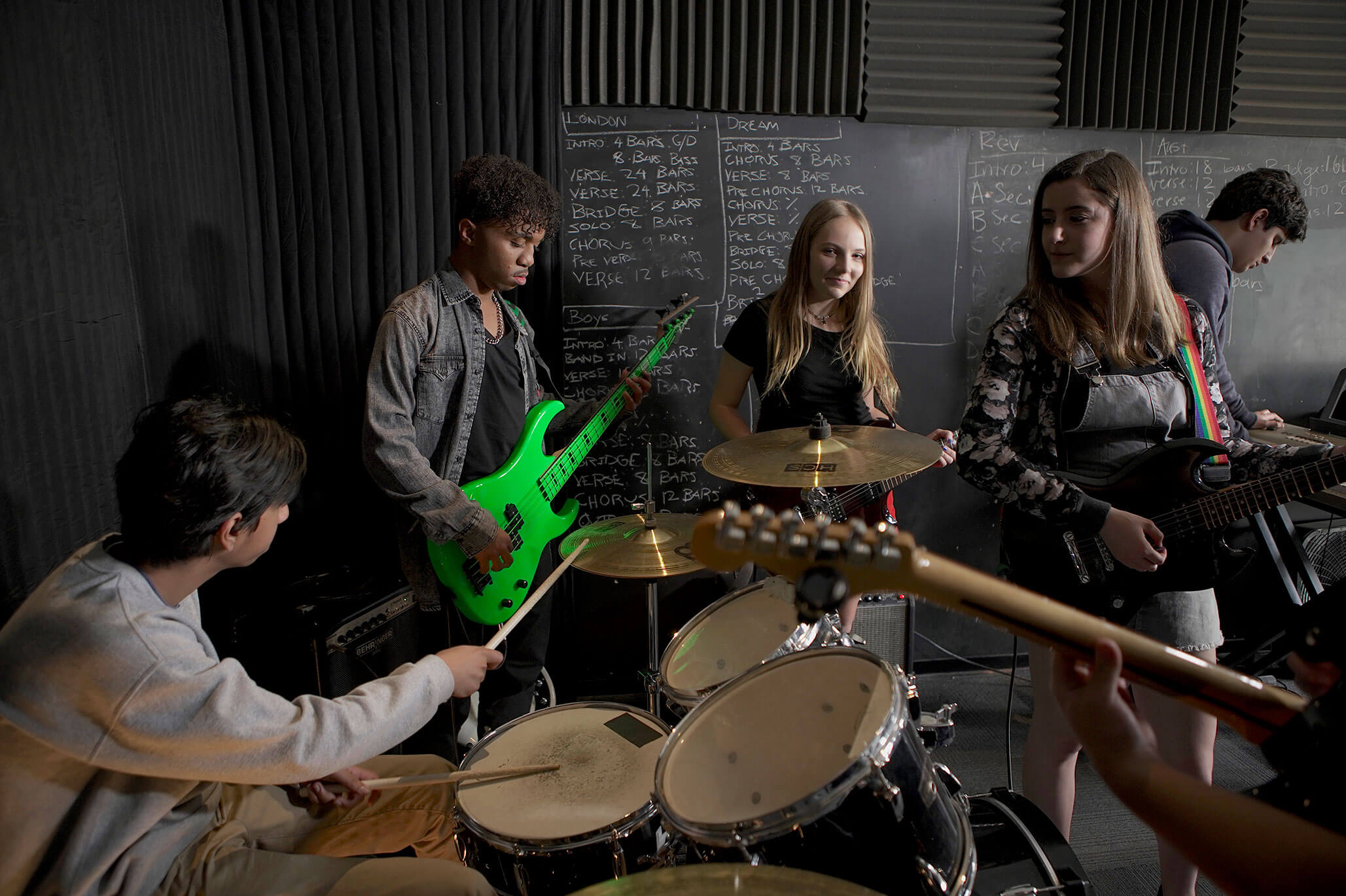
Most new bands share the same problem: they show up, plug in, and start playing with no clear plan for what they want to accomplish. Two hours later, they have noodled through half a setlist, argued about a chorus, and left feeling vaguely dissatisfied. The music is not necessarily worse, but it is not noticeably better either. A little structure changes that.
Planning a rehearsal does not mean turning a creative space into a corporate meeting. It means deciding in advance what success looks like so that you can actually reach it.
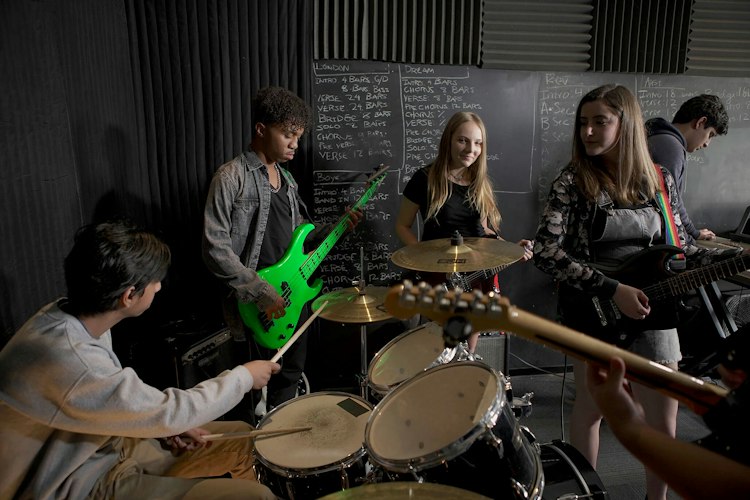
The single most effective thing a band can do before rehearsal is agree on the agenda in a group chat the day before. This sounds almost too simple, but it eliminates the five-to-ten minutes of directionless discussion that typically opens every session.
Your agenda should list specific songs, not vague intentions. “Work on transitions in songs three through five” is useful. “Practice some of the set” is not. If one song has been consistently falling apart at the bridge, name it and make it a priority. If you have a performance coming up in three weeks, count backward from that date and assign milestones to each remaining rehearsal.
Every member should also arrive having already worked on their individual parts. Group rehearsal time is too expensive (in terms of everyone’s schedule) to spend teaching one person a part they could have learned at home. The room is for putting the parts together, not building them from scratch.
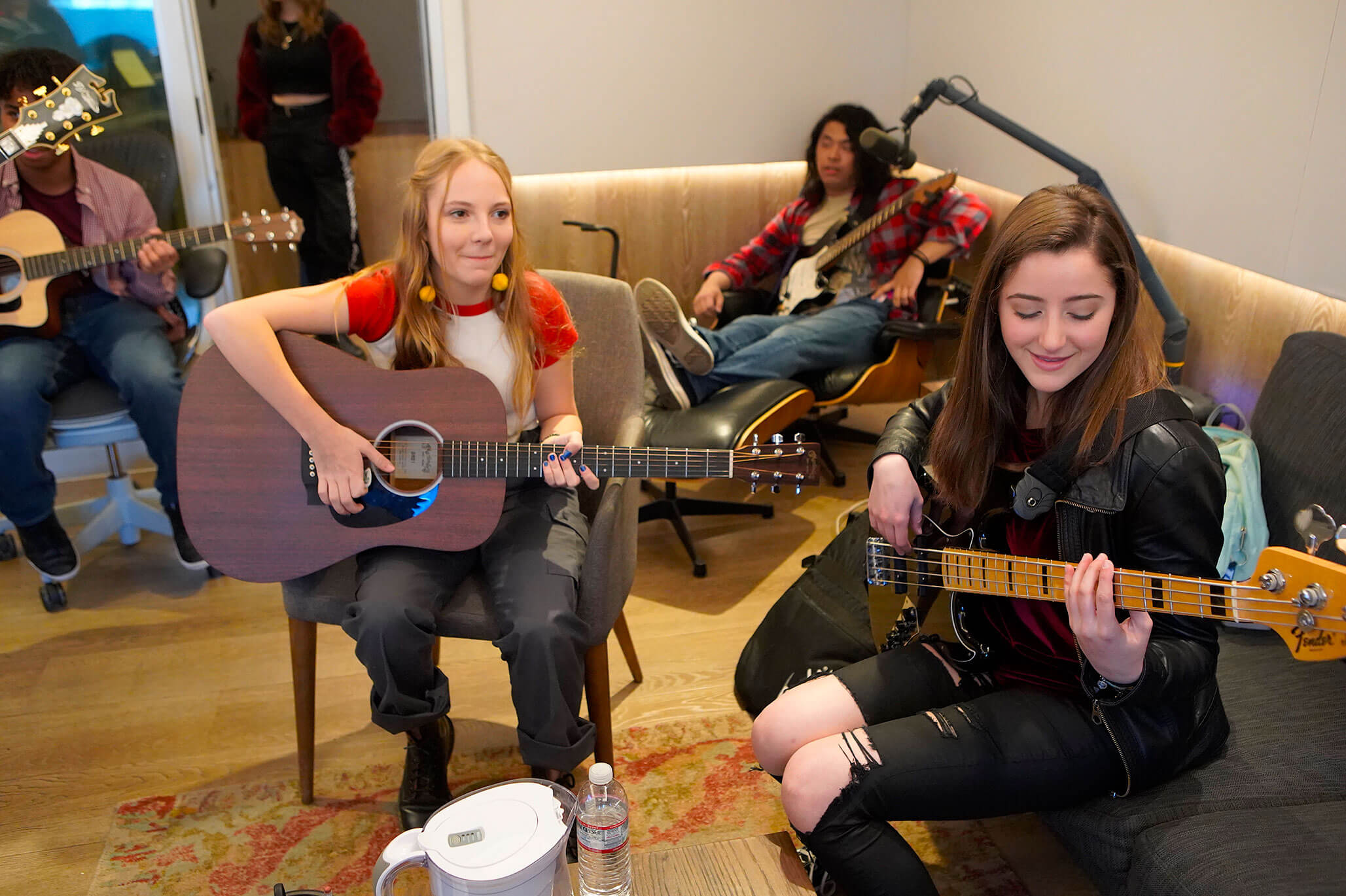
A practical rehearsal structure divides the available time into three phases: warm-up, focused work, and a run-through.
The warm-up phase should be short - fifteen minutes at most. Play something everyone knows well. This settles nerves, lets you check your levels, and gets everyone listening to each other before the difficult work starts. It is also the right time to adjust monitor mixes or fix any equipment issues so they do not interrupt the main session.
The focused work phase is the heart of the rehearsal. Take your one or two problem areas and isolate them. If the issue is a timing gap between the guitarist and drummer in a particular section, loop just that section. Stop, reset, and repeat until the fix is consistent across multiple attempts - not just one clean pass. One good run does not mean a problem is solved. Three or four clean passes in a row is a more reliable indicator.
The run-through phase closes the session. Play the full set or the portion you targeted, straight through with as few stops as possible. This builds the mental stamina required for performance and gives you a clear sense of where things actually stand.
Assign someone to watch the clock, and rotate that responsibility between members so it does not always fall to the same person. When you notice the group has been stuck on the same eight bars for twenty minutes with diminishing returns, that is usually a sign to mark the problem, move on, and return to it next session with fresh ears.
Breaks matter more than most new bands realize. After sixty to seventy-five minutes of focused playing, attention and listening quality drop. A ten-minute break - away from the instruments, ideally with water and some movement - is not wasted time. It is part of the session structure.

Before everyone packs up, spend five minutes talking through what happened. What did you fix? What still needs work? What is the one thing each person will work on individually before next rehearsal? Writing this down, even in a shared notes app, keeps the next session from starting at zero.
The debrief is also the right moment to confirm the next rehearsal date, agree on what songs are on the agenda, and flag any scheduling conflicts early. Band admin handled in the room takes thirty seconds. Band admin handled over a long thread of text messages takes two days.
Once a set is mostly learned, some of your rehearsal time should shift toward performance practice. This means running songs in the actual order of your setlist, practicing what happens between songs (how long, who talks, what they say), and - if you know the space - thinking through where everyone will stand.
Performance practice feels awkward at first, especially for new bands. Do it anyway. The transitions between songs, the thirty seconds when the guitarist is retuning and nobody knows where to look - those moments shape how an audience experiences a set just as much as the music itself.
A rehearsal room with a loose social atmosphere is fine during breaks. During the session, the expectation should be clear: phones away, minimal between-song noodling, and feedback directed at the music rather than at individuals. These are not rigid rules for their own sake - they are the difference between a two-hour session that produces real progress and a two-hour session that mainly produced some memories.
New bands sometimes hesitate to set expectations like this because it feels unfriendly. It is the opposite. Respecting everyone’s time is one of the most direct ways to show you take the band seriously.
Source: https://www.schoolofrock.com/resources/music-industry/how-to-have-a-successful-rehearsal
First rehearsal coming up? Here's how to walk in ready, keep the session productive, and avoid the most common rookie mistakes.
New bands lose more progress in rehearsal than anywhere else. Here are six specific mistakes to stop making before your first performance.