How to Plan a Productive Band Rehearsal From Start to Finish
A structured rehearsal saves time and builds better music. Here is how to run one from the first note to the last.
First rehearsal coming up? Here's how to walk in ready, keep the session productive, and avoid the most common rookie mistakes.
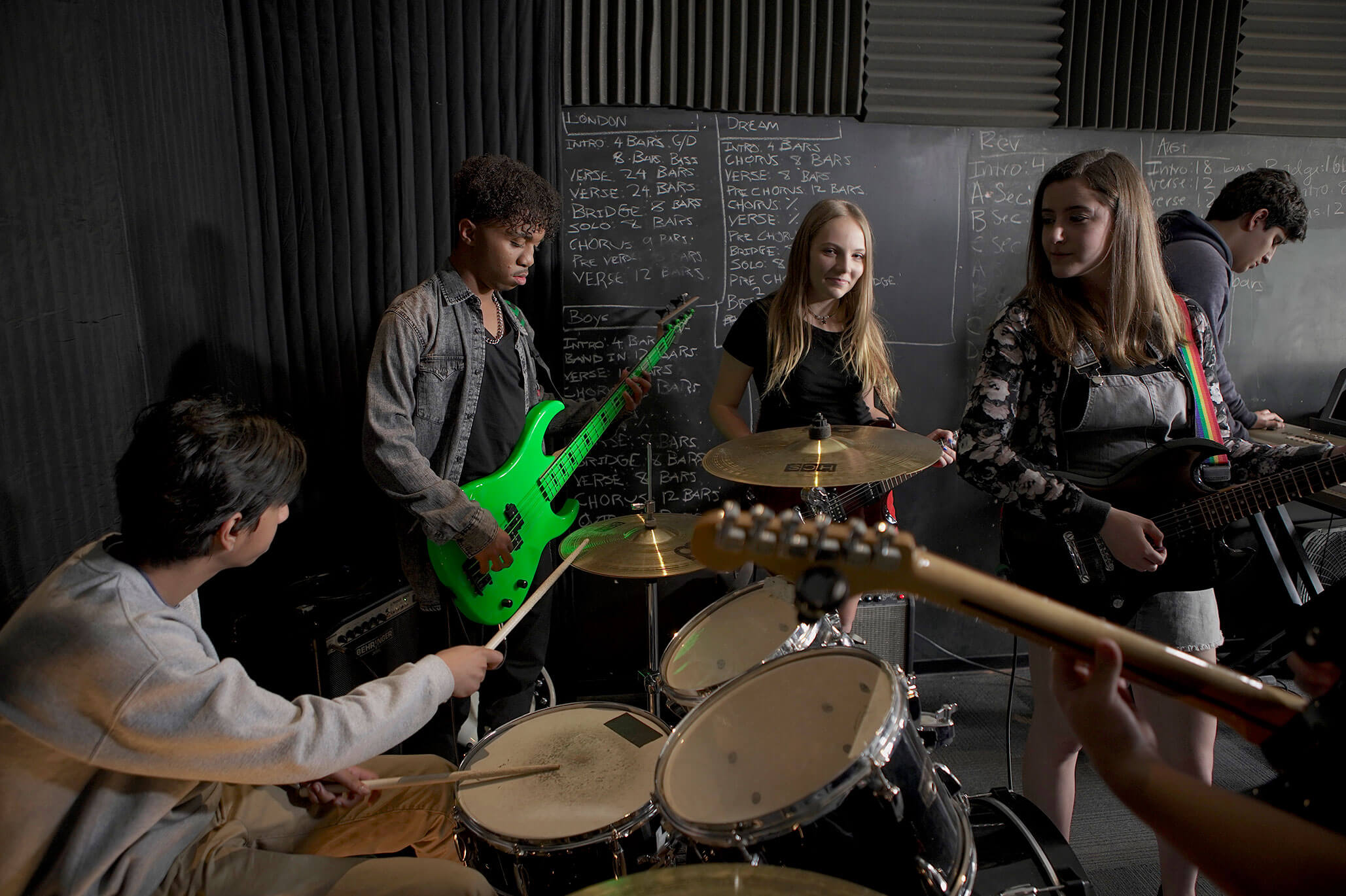
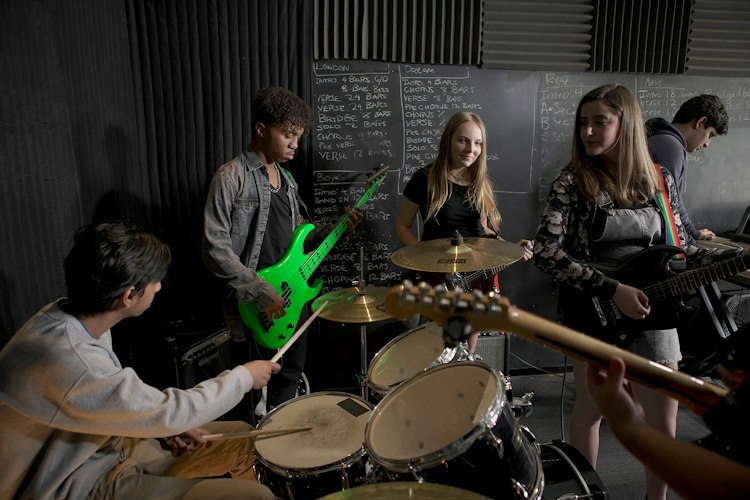
Your first band rehearsal is not a jam session and it is not a performance. It sits somewhere in between, and that in-between space is where a lot of new bands waste their early momentum. People show up without knowing their parts, somebody spends twenty minutes adjusting their amp, and two hours disappear with very little to show for it.
That does not have to be your experience. The difference between a rehearsal that moves a band forward and one that just burns an afternoon comes down almost entirely to preparation - most of which happens before anyone plugs in a single cable.
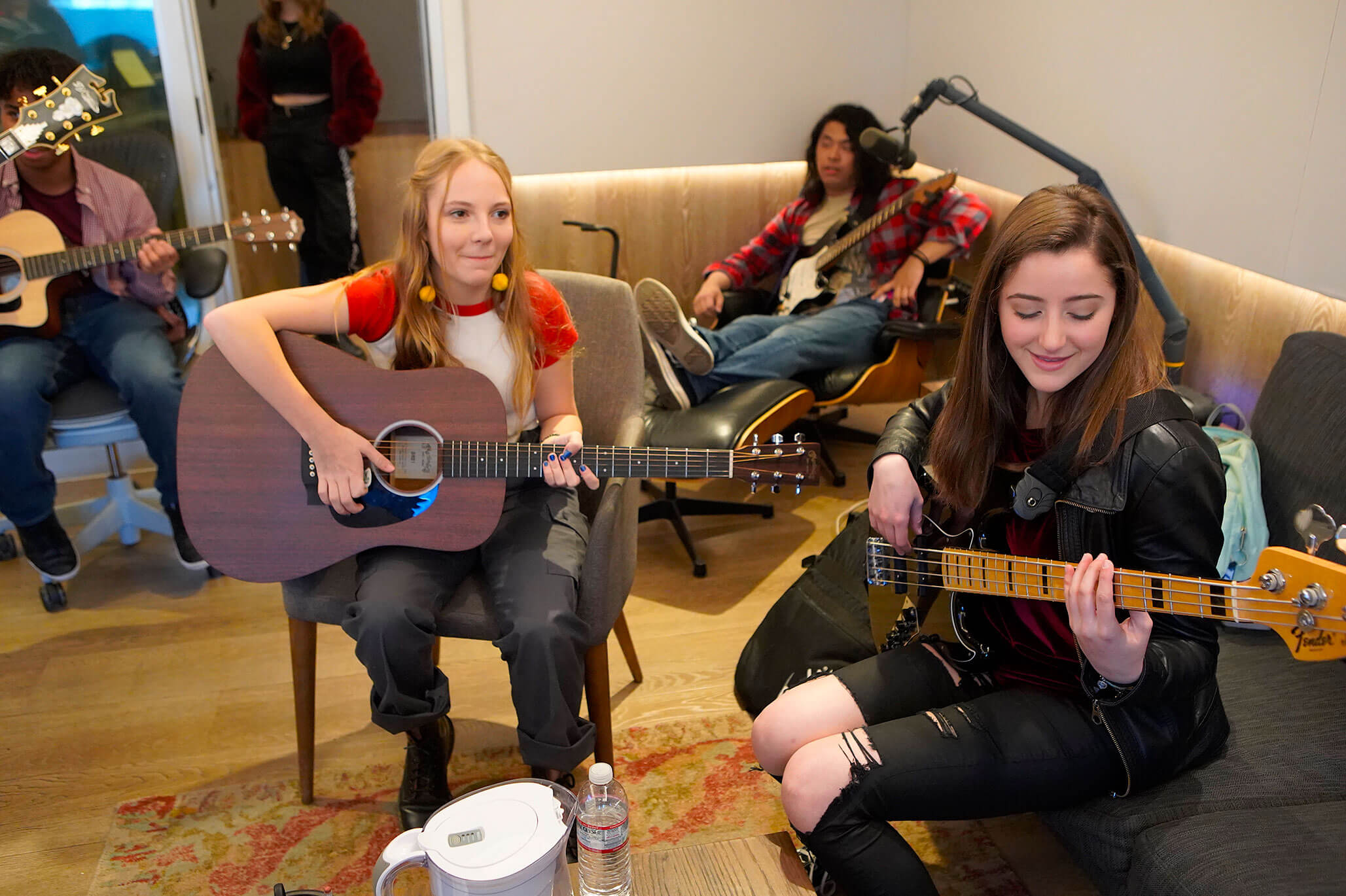
The most important thing you can do for a first rehearsal costs nothing and requires no one else: learn your part on your own time. This sounds obvious, but it is the step most beginners skip.
Rehearsal time is group time. It is the one resource your whole band has to share, and using it to teach yourself a song from scratch is the equivalent of reading the meeting agenda for the first time while everyone is already seated. Listen to the song repeatedly. Slow it down if you need to. Work through difficult passages alone until they feel automatic, not just familiar.
When everyone arrives having done this individual work, the rehearsal can focus on how the parts fit together rather than whether anyone knows their parts at all. That is when real progress happens.
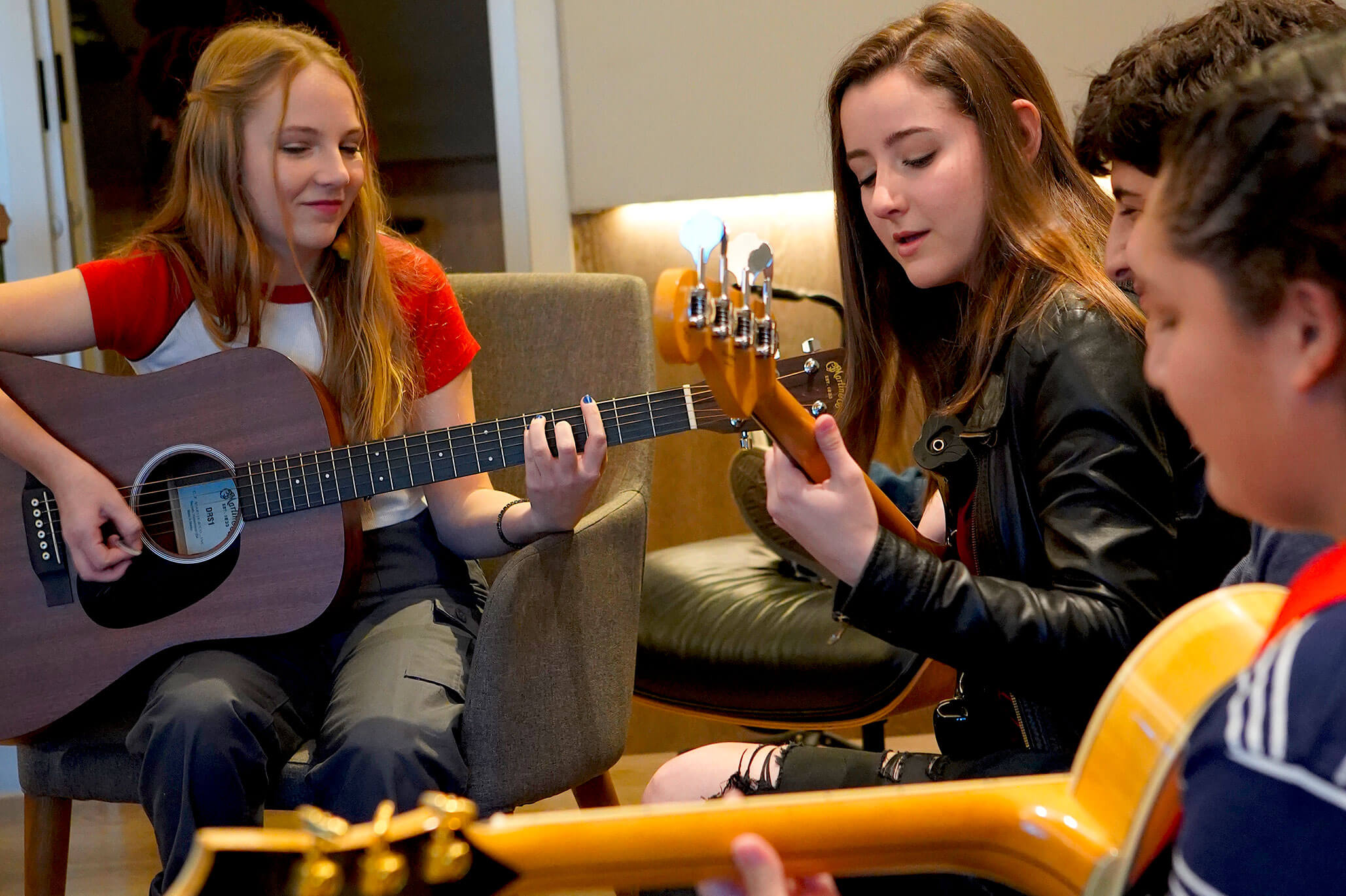
Before the first rehearsal even begins, the group should agree - even just in a text thread - on what the session is meant to accomplish. That does not need to be elaborate. “We want to get through three songs cleanly from start to finish” is enough of a goal to keep a two-hour session on track.
Without a shared goal, rehearsals tend to drift. Someone will want to keep repeating the opening of the first song long after it is working. Someone else will want to jump ahead to a song nobody has learned yet. A simple stated goal gives everyone a common reference point and makes it easier to redirect the session when it starts to wander.
If you are preparing for an eventual performance, give priority to the songs that still feel unstable. Run the difficult material when attention is fresh, not at the end when everyone is tired.

Physical and logistical problems can derail a rehearsal faster than any musical issue. Think through the basics in advance.
Where are you rehearsing, and does everyone know how to get there? Is the space large enough for the instruments involved? Who is bringing what equipment? If you are rehearsing in someone’s garage or basement, is there enough power available for amplifiers? Will the volume create problems with neighbors?
None of these are interesting questions, but ignoring them means your first rehearsal might spend its first thirty minutes solving problems that could have been resolved with one group message the night before.
One issue that catches new bands off guard is overall volume balance. A drummer playing at full energy generates significant volume, and if a guitarist reflexively matches that by cranking their amp, the vocalist and any quieter instruments disappear from the mix entirely.
In a first rehearsal, err on the side of lower volume for everyone until you can actually hear all the parts together. The goal at this stage is musical communication, not impact. You need to hear whether the bass is landing with the kick drum, whether the chord changes are happening at the same time, and whether the vocalist can be heard at all. None of that is audible if the room is already at maximum volume before anyone has played a full song together.
Distractions in a rehearsal setting compound quickly. One person checking their phone pulls someone else into a side conversation, which means nobody is ready when the player who stepped away comes back, and suddenly ten minutes have evaporated.
The simplest solution is a group agreement made before the rehearsal starts: phones go face-down or into a bag during active playing time. That is not a strict rule to enforce on each other - it is just a shared understanding that makes the time worth more.
Along similar lines, keep the space to band members only for a first rehearsal. Friends and family watching can feel supportive, but outside observers change the social dynamics in a room. People perform for an audience instead of working, feedback becomes awkward, and honest conversation about what is not working becomes harder.
Playing through multiple songs in a row is physically and mentally taxing, even when it does not feel that way in the moment. After forty-five minutes to an hour of active playing, take a short break. Step outside, drink some water, and let your ears rest.
Breaks are not wasted time. They actually help you hear problems more clearly when you return to the material. A passage that sounded fine when you were fatigued can reveal issues when you come back to it fresh.
The risk with breaks is that they expand. A five-minute break becomes fifteen, and the rehearsal loses its structure. Agree on break length in advance - ten minutes is usually sufficient - and have someone responsible for calling the group back.
First rehearsals expose gaps - in individual preparation, in musical compatibility, and in how the group communicates. Some of what you discover will be uncomfortable.
One player might be significantly more prepared than another. The tempo might be unstable. Someone might not understand how their part interacts with the rest of the arrangement. These are normal findings for a first rehearsal, not signs that the band will not work.
What matters is how the group talks about these gaps. Criticism delivered sharply tends to shut people down rather than open them up, especially early on when everyone is still figuring out the group dynamic. Be specific and direct - “the chord change at measure nine is happening a beat late” is useful feedback - but keep the goal in view. You are all trying to make the music better, not establish a hierarchy.
At the close of the rehearsal, spend five minutes as a group identifying what to work on individually before next time. This does not need to be a formal debrief. It can be as simple as: “That bridge section isn’t locking in yet - everyone go home and work on measures 17 through 24 before we meet again.”
Ending with a shared next step keeps the momentum from the rehearsal alive and gives everyone a concrete task rather than a vague intention to “practice more.” That one small habit, repeated across rehearsals, is how bands actually get better.
Reference: School of Rock, “How to Have a Successful Rehearsal,” https://www.schoolofrock.com/resources/music-industry/how-to-have-a-successful-rehearsal
A structured rehearsal saves time and builds better music. Here is how to run one from the first note to the last.
New bands lose more progress in rehearsal than anywhere else. Here are six specific mistakes to stop making before your first performance.