Recording Your Band Together vs. Overdubbing: Which Approach Is Right?


On this page
What You’re Deciding
Before your band records, you have to decide whether everyone plays at once, whether each part is recorded separately, or whether you do some of each. That choice affects how the recording feels, how easily you can fix mistakes, and what space and gear you need. There’s no single right answer, but there is usually a right answer for your band.
Recording All at Once (Live Tracking)
Live tracking means the whole band plays the song together while you record. Each instrument might have its own microphone, or you might use just a few mics for the whole room. Either way, everyone performs at the same moment, just like at rehearsal or a gig.
The big advantage is feel. Michael Schulze, writing in Recording Magazine, argues that a band that plays well together can capture a stronger performance this way, “feeding off of each other in a way that just doesn’t happen when the drummer has already gone home and the guitar player is asked to shred all alone in a big, cold room under a bare bulb.” Players react to each other’s dynamics, pushes, and pauses, and that interaction ends up on the recording.
The trade-off is bleed, also called leakage. Bleed is sound from one instrument getting picked up by another instrument’s microphone. As the Violet Recording editorial team puts it, “everything bleeds into everything, so you can’t fix one part in isolation later.” Suppose the drums, bass, and rhythm guitar are perfect, but the guitar solo has a clam. If you re-record just the solo, the original flubbed version may still be audible in the drum mics, and you can’t fully remove it. That makes punching in difficult. Punching in means re-recording a short section of one part. Instead, live bands usually record several complete takes and pick or combine the best ones. Combining takes is called comping.
Bleed isn’t automatically bad, though. Violet Recording notes that “controlled bleed glues a band together.” You can control it with a few practical moves:
- Put the loudest sources, like drums and guitar amps, far apart.
- Aim mics away from instruments you don’t want them to pick up.
- Put a guitar amp in a closet or behind a gobo, a movable sound-absorbing panel.
- Run the bass direct (DI). That means plugging it straight into your recording interface instead of miking an amp.
 Via violetrecording.com
Live tracking also depends on communication. Sven-Erik Seaholm, also writing in Recording Magazine, stresses sightlines: musicians being able to see each other. A head nod or a drummer mouthing the count before a big ending can save “hours of precious recording time” that would otherwise go to retakes. Headphone mixes matter too. If players can’t hear each other, the performance suffers.
Overdubbing (One Part at a Time)
Overdubbing means recording parts in layers. Often the drums go down first, then bass, then guitars and keys, then vocals. Each musician plays along with what has already been recorded.
The main benefit is control. Because each part is recorded alone, there’s no bleed between instruments, so you can redo a single note, try three different guitar tones, or rework a harmony without touching anything else. Schulze notes that this approach “lets you make sure each part is perfect before moving on.” He adds that it’s well suited to songwriters still fleshing out arrangements, and to bands that struggle to get through a song together.
Overdubbing also needs less space and fewer simultaneous inputs. One or two musicians can record in a spare bedroom with a modest interface, because you’re only capturing one or two sources at a time.
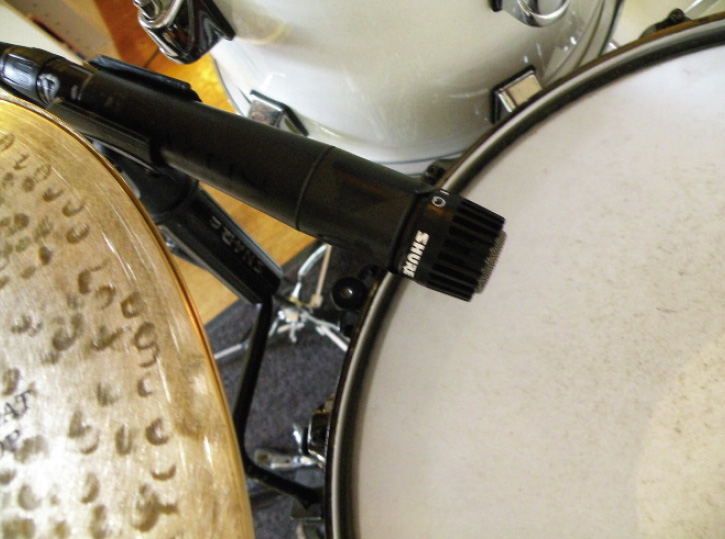
The downsides are time and feel. Recording each part separately takes longer overall, and players who are used to reacting to each other may sound stiffer when performing alone to headphones. Many bands overdubbing from scratch use a click track, a metronome in the headphones, to keep layers aligned. It’s worth considering, but it isn’t mandatory. Some players lock in well to a click and some don’t.
 Via recordingmag.com
Hybrid Approach (Rhythm Section Live, Overdubs on Top)
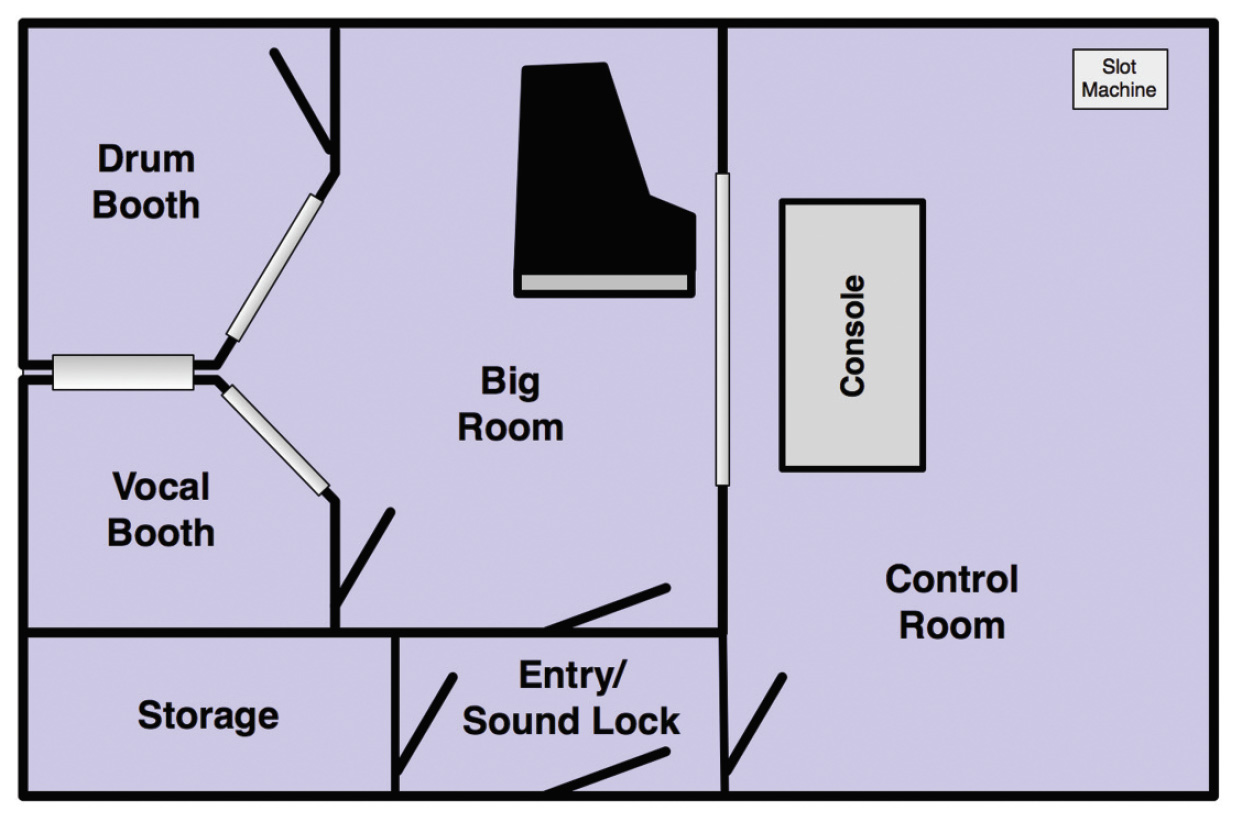
The hybrid approach is the most common middle ground. Seaholm calls it rhythm tracking. The drummer, bassist, and at least one “chordal” instrument, such as guitar or keyboard, play together. A singer adds a scratch vocal, a rough guide performance that helps everyone keep their place in the song but isn’t meant to be kept.
This captures what Seaholm describes as “the energy, feel and bedrock groove of the arrangement.” Then you spend your time and attention on overdubs: lead vocals, solos, harmonies, extra guitar layers. He also points out that even if every rhythm part eventually gets replaced, the result still has a different character than a project built entirely one track at a time.
Violet Recording describes a similar workflow from the live side. Once you have a keeper take, you can overdub the lead vocal, a guitar solo, or backing harmonies “for polish while keeping the live rhythm section’s feel.” Recording the scratch vocal on a dynamic mic held close helps keep the room sound out, since you’ll likely re-sing it later anyway.
 Via recordingmag.com
Side-by-Side Comparison
| Live | Overdub | Hybrid | |
|---|---|---|---|
| Isolation | Low. Bleed between mics is expected. | High. Each part is recorded alone. | Moderate. Some bleed in the rhythm section, clean overdubs. |
| Energy and feel | Highest. Players react in real time. | Can feel stiffer and depends on each player. | Strong groove foundation with polished top layers. |
| Ease of fixing parts | Hard. Usually redo or comp whole takes. | Easy. Fix any part individually. | Overdubs are easy to fix; rhythm parts are harder. |
| Minimum tracks needed | As many inputs as mics you use at once. Could be very few for a rough capture. | Only what one part needs at a time. | Enough simultaneous inputs for the rhythm section. |
| Rehearsal needed before session | A lot. The band must nail songs together. | Less group rehearsal, but each player must know their part cold. | Rhythm section must be tight; others can refine during overdubs. |
| Good for | Tight gigging bands, raw or energetic styles, live-room sound | Songwriters, arrangement experiments, small spaces, remote collaborators | Most bands wanting both feel and fixability |
Example Scenarios
If your band is a tight, gigging rock trio with a decent rehearsal room: Live tracking is a strong candidate. You already play well together, so capture that. Separate loud sources where you can, run bass DI, and plan to record several full takes. If the vocals need cleanup, overdub just those.
If your band is a duo or solo songwriter with a small home setup: Overdubbing probably fits best. You can record in a small room with a modest interface, take your time on arrangements, and build the song piece by piece.
If your band is a five-piece with a singer who wants a polished vocal: Try the hybrid approach. Track drums, bass, and rhythm guitar or keys together with a scratch vocal, then overdub lead vocals, harmonies, and solos with full isolation.
If your band is still changing arrangements from week to week: Overdubbing or hybrid will save frustration. Live tracking punishes unsettled parts, because a single change means re-recording everyone.
Questions to Ask Before Your Session
- Can we play these songs start to finish together without major mistakes?
- How many inputs can our interface record at the same time, and is that enough for the approach we want?
- Do we have enough space to separate loud instruments, and can players still see each other?
- How likely is it that we’ll want to fix or replace individual parts later?
- Do we have enough headphones, or a headphone amp, so everyone can hear a usable mix?
- Will a click track help us, or will it fight the band’s natural feel?
- How much time do we realistically have, and which approach makes the best use of it?
- Is this a rough demo for internal use or something we plan to release?
Sources
Record Your Band At Home, Sven-Erik Seaholm, Recording Magazine Recording A Band… As A Band, Michael Schulze, Recording Magazine How to Record a Band Live in One Room, Violet Recording Editorial Team, Violet Recording